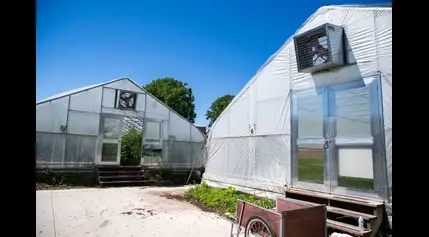
Transforming Englewood: How a Million Grant is Empowering a Community Through Urban Farming
When Janelle St. John became the executive director of Growing Home, a nonprofit organization that runs the Wood Street Urban Farm in Englewood, she was surprised to learn that 80% of the food grown at the farm was not staying within the community. Instead, the produce was being transported to markets in more affluent neighborhoods on the North Side, where grocery stores are more plentiful. This revelation sparked a mission to keep the food grown in Englewood within the community, leading to a million grant from the city to expand the farm and create a hub for food access, workforce development, and community empowerment.Reclaiming the Harvest: Bringing Food Security to Englewood
Addressing the Food Deserts
The last few years have been a time of responding to the growing demand for food in Englewood, as more and more grocery stores in the neighborhood have closed. This has exacerbated the issue of food deserts, leaving residents with limited access to fresh, healthy produce. Growing Home's mission has shifted to finding creative ways to get the food grown at the Wood Street Urban Farm back into the community, ensuring that the residents of Englewood have the nourishment they need.Expanding the Farm's Capacity
To meet the community's demand for food and provide more opportunities, Growing Home recognized the need to expand the Wood Street Urban Farm. The million grant from the city will allow the organization to double the capacity of its workforce development program, which trains community members in agricultural skills. The expansion will also include a produce processing facility, a retail store, a cafe, and teaching and commercial kitchens, enabling year-round indoor growing and the distribution of healthy, locally-grown food.Empowering the Community
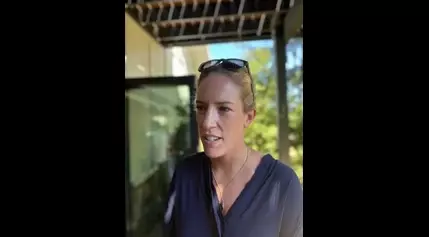
The expansion of the Wood Street Urban Farm is not just about increasing food production; it's about empowering the Englewood community. Laquandra Fair, the Growing Home community engagement coordinator and a graduate of the organization's job program, sees the project as a way to bring more investment and pride to the neighborhood. "This whole new building is a way to bring more investment back into the community, because we deserve beautiful things as well," she said.Fostering Economic Development
Growing Home's vision extends beyond just addressing food insecurity; the organization aims to be a catalyst for economic development in Englewood. Janelle St. John envisions the farm as an "anchor site" that can replicate the role universities play in some communities, serving as a hub for job creation and community-driven initiatives. By providing employment opportunities and fostering entrepreneurship, Growing Home hopes to be a driving force in the revitalization of Englewood.Cultivating Choice and Opportunity
The expansion of the Wood Street Urban Farm will also bring more choice and opportunity to the residents of Englewood. The planned cafe and retail space will offer a range of food options, allowing community members to make informed decisions about their dietary preferences. Additionally, the teaching and commercial kitchens will provide hands-on learning experiences and the chance for residents to explore their culinary passions.Envisioning a Fruitful Future
The future of the Wood Street Urban Farm is filled with exciting possibilities. Laquandra Fair dreams of an orchard where residents can come and pick fresh, in-season fruit, a luxury that many other neighborhoods take for granted. The expansion will also enable more community engagement, with the potential for cooking demonstrations, educational programs, and other initiatives that bring the community together around the shared experience of growing, preparing, and enjoying healthy, locally-sourced food.New


Lifestyle


























Entertainment



Entertainment









Entertainment