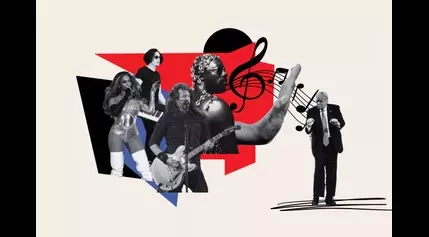
Halting the Trump Tunes: Artists Reclaim Their Musical Legacy
In a landmark court decision, former President Donald Trump faced a wave of legal challenges from renowned artists like ABBA, Beyoncé, and the Hayes estate, as they fought to stop the unauthorized use of their music at his campaign rallies. The ruling has opened the floodgates for musicians seeking to protect their intellectual property and artistic integrity from political exploitation.Empowering Artists to Defend Their Musical Legacies
Silencing the Unauthorized Trump Tunes
The former president's penchant for playing popular songs without permission has finally hit a legal roadblock. A federal court in Atlanta, Georgia, issued a temporary injunction preventing Trump from using the 1966 song "Hold On, I'm Coming," co-written by the late Isaac Hayes, at his campaign events. The Hayes estate celebrated the decision, with Isaac Hayes III stating, "We are very grateful and happy for the decision. Donald Trump has been barred from ever playing the music of Isaac Hayes again. I couldn't ask for a better decision."This ruling represents a significant victory for artists seeking to reclaim their musical legacies from unauthorized political use. For years, musicians have regularly denounced the Trump campaign's unauthorized use of their work, but until recently, the hassle and costs involved in filing lawsuits had deterred many from taking legal action. However, the Hayes estate's successful challenge has paved the way for others to follow suit, potentially opening the floodgates for a wave of legal battles.Challenging the Trump Campaign's Licensing Claims
The Trump campaign had previously argued that it had obtained the necessary licenses to use the songs, citing written permission from the songwriter rights organization, BMI. However, the court sided with the Hayes estate, underscoring the nuances of music licensing and the importance of obtaining explicit consent from copyright holders.Music attorney Larry Iser explains that while the Trump campaign may have obtained a political entity license from BMI, the organization has the right to remove specific songs from the license if the copyright owner complains. In the case of "Hold On, I'm Coming," the Hayes estate had sent a cease and desist letter and demanded royalties, effectively barring the Trump campaign from using the song.This precedent highlights the potential pitfalls for political campaigns relying solely on broad licensing agreements, as artists and their estates can still exercise their right to object to the use of their work. The court's decision has sent a clear message that such licensing claims are not a bulletproof defense against claims of copyright infringement.Reclaiming Artistic Integrity and Moral Rights
Beyond the legal technicalities, the Hayes estate's case also raises the issue of moral rights and artistic integrity. The estate argued that the use of the song could be perceived as an endorsement of someone they do not endorse, a notion that resonates with many artists who have objected to their music being used in political contexts.Entertainment lawyer Colleen Kerwick suggests that this moral rights argument could be a powerful tool for artists seeking to protect their artistic legacy and prevent their work from being used to promote causes or individuals they disagree with. The court's acknowledgment of this argument further strengthens the position of artists in these battles, potentially paving the way for more comprehensive legal protections for their work.The Copyright Act's Reversal Clause: A Boon for Artists
The ongoing legal battles have also brought to light the significance of Section 203 of the Copyright Act, which allows songwriters (and their heirs) to reclaim the rights to their work from labels and publishers after a certain period of time. This provision, which came into effect in 2013, has provided a powerful tool for artists to regain control over their musical legacies, particularly in cases involving older songs being used at political events.The Trump campaign's claim that it had properly licensed the use of "Hold On, I'm Coming" was further complicated by the potential applicability of Section 203. While the court did not rule on this aspect, the mere possibility of the Hayes estate being able to reclaim the copyright under this provision has significant implications for how political campaigns approach the use of older musical works.A Cautionary Tale for Political Campaigns
The legal battles surrounding the unauthorized use of music at Trump's rallies serve as a cautionary tale for political campaigns. The ruling against the Trump campaign has demonstrated the importance of obtaining explicit consent from copyright holders, regardless of any broad licensing agreements.Furthermore, the court's recognition of moral rights arguments and the potential application of the Copyright Act's reversal clause suggest that political campaigns must now approach the use of musical works with greater diligence and sensitivity. Failure to do so could result in a flurry of legal challenges, as artists and their estates seek to protect their intellectual property and artistic legacy from political exploitation.This landmark decision has the potential to redefine the relationship between the music industry and the political sphere, empowering artists to assert their rights and reclaim their musical legacies. As the legal landscape evolves, it is clear that the unauthorized use of music in political campaigns will no longer be a simple matter of obtaining a license, but a complex web of artistic, moral, and legal considerations that must be navigated with utmost care.New

Lifestyle












Entertainment


Entertainment

Entertainment